Best Creator Platforms in 2026 (Ranked by Revenue, Control, and Business Growth)
Most creator platforms feel workable in the beginning because the business is still relatively simple. There may only be one offer, a checkout page, basic product delivery, and a small email list. The differences between platforms usually become more obvious later once automations, recurring revenue, lead generation, and multiple offers start getting layered into the business.
That is where creator platforms stop feeling interchangeable.
Some platforms are built primarily for monetizing audiences. Others are designed to support a larger business with products, automations, customer journeys, and long term scalability. Those differences affect growth far more than payout percentages.
Best Creator Platforms in 2026
| Platform | Best For | Biggest Strength | Biggest Limitation |
|---|---|---|---|
| Kajabi | Full online businesses | Marketing, automations, products, and website in one system | Higher upfront monthly cost |
| Skool | Community-focused businesses | Strong engagement and recurring memberships | Limited marketing infrastructure |
| Circle | Premium communities and memberships | Organized community experience | Requires additional marketing tools |
| Thinkific | Education-heavy businesses | Student learning tools | Operational fragmentation as the business grows |
| Stan Store | Simple creator monetization | Fast setup and simplicity | Limited long term scalability |
| Podia | Beginner-friendly online businesses | Easier learning curve | Less flexibility for layered businesses |
For creators building courses, memberships, coaching, recurring revenue, or multiple offers, Kajabi is usually the strongest overall option because the website, products, automations, email marketing, funnels, and customer management are all operating inside one connected platform.
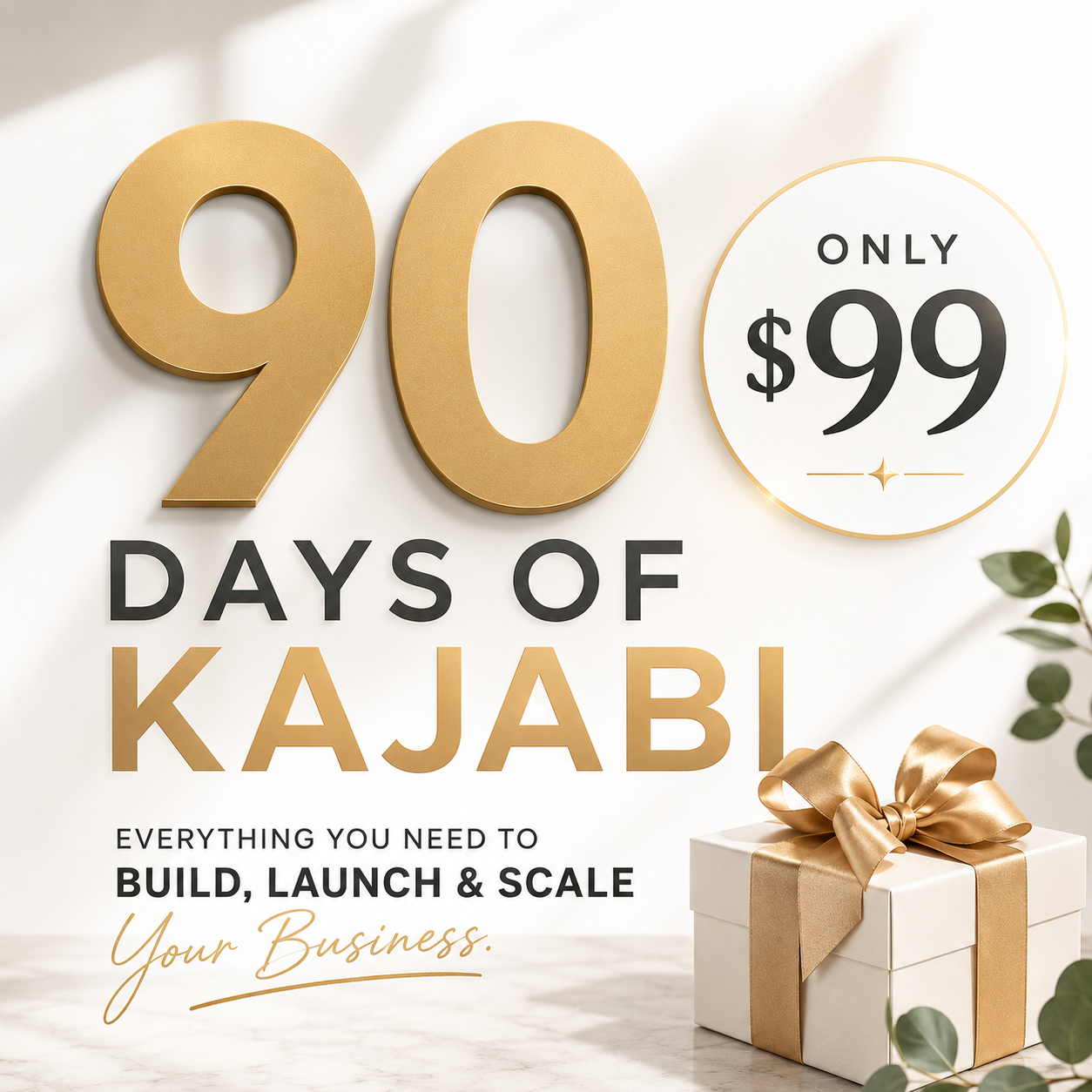
Start Kajabi with 3 Months for $99 + bonuses →
If pricing is your biggest hesitation, also read:
Is Kajabi Too Expensive Compared to Other Platforms
The Biggest Difference Between Creator Platforms
A lot of creators compare platforms based on:
- payout percentages
- monthly pricing
- transaction fees
- visual design
Those things matter, but they are rarely the reason businesses struggle later.
The bigger issue is operational complexity.
A business becomes much harder to manage once:
- email marketing is disconnected
- automations require multiple integrations
- products live across separate systems
- onboarding is fragmented
- customer data becomes scattered
That usually happens gradually. Most businesses do not notice the operational weight building until the backend starts becoming harder to manage than the actual products.
This is one reason Kajabi has become increasingly popular with creators building long term businesses instead of relying entirely on platform monetization.
Kajabi
Kajabi is built more like business infrastructure than a creator monetization tool.
That changes how the platform functions once the business grows.
With Kajabi, creators can:
- build a website
- create landing pages
- host courses
- sell coaching
- manage memberships
- send email campaigns
- automate follow-up
- organize funnels
- publish podcasts
- manage customers
inside one platform.
The value of that setup becomes more obvious once there are:
- multiple offers
- recurring memberships
- automations running
- evergreen funnels
- audience growth happening simultaneously
A lot of businesses eventually start feeling operationally fragmented because the website, checkout, email marketing, automations, and products are all spread across different systems. Kajabi removes much of that complexity because everything operates together.
That directly affects:
- customer experience
- maintenance workload
- lead management
- scalability
- conversions
Businesses generally run more efficiently when the backend is organized.
If content marketing and audience growth are part of your strategy, also read:
Make Money Podcasting Without Sponsorships
Why Kajabi Performs Well for Higher Revenue Businesses
Many creator platforms are optimized around subscriptions, low-ticket products, or audience monetization.
Kajabi supports:
- higher-ticket offers
- evergreen funnels
- customer journeys
- lead generation
- recurring revenue ecosystems
That creates a different type of business model.
A creator selling coaching, memberships, workshops, courses, or premium programs usually needs more infrastructure than a platform designed primarily for subscriptions or link-in-bio monetization.
Kajabi handles that transition much better than most creator platforms.
Skool
Skool became popular because the engagement model works well. For creators building businesses around communities, accountability, and recurring memberships, the platform can absolutely be effective.
The simplicity is appealing.
The discussions stay active.
The recurring revenue model is straightforward.
The limitations usually become more noticeable once the business starts needing:
- deeper automations
- lead generation systems
- flexible landing pages
- stronger marketing infrastructure
- more control over customer journeys
A lot of creators eventually realize they still need several external tools surrounding the Skool ecosystem.
That changes the simplicity fairly quickly.
Also read:
Best Platform for Coaches: Kajabi vs Skool vs Stan Store
Circle
Circle is one of the strongest platforms available for premium memberships and organized communities.
The experience feels cleaner than many alternatives and larger communities are easier to manage operationally.
For businesses centered heavily around memberships, Circle can work extremely well.
The issue is that Circle is not trying to replace:
- email marketing
- funnels
- automations
- websites
- lead generation infrastructure
Creators often still need additional systems around the community itself. Over time, that increases operational complexity.
Thinkific
Thinkific works well for businesses heavily focused on education and structured course delivery.
The student learning experience is strong.
Assessments are handled well.
Curriculum organization is solid.
For course delivery specifically, Thinkific can absolutely work.
The friction usually starts once the business expands beyond education into:
- automations
- lead nurturing
- recurring revenue systems
- customer journey management
- funnel infrastructure
That is where many businesses start accumulating:
- integrations
- additional software
- maintenance
- operational overhead
Thinkific is strong for course delivery.
Kajabi is usually stronger for operating the larger business surrounding the course itself.
You may also want to compare:
Kajabi Pricing vs Teachable: Which Is More Cost Effective
Stan Store
Stan Store exploded because creators wanted fast monetization without complicated setup.
For creators selling:
- consultations
- templates
- mini products
- low-ticket offers
it can work well.
The limitations become more visible once the business becomes more layered operationally.
There is usually demand for:
- automations
- onboarding systems
- recurring revenue
- customer segmentation
- deeper funnel infrastructure
Stan Store works well for simplicity. It is less effective for building a larger business ecosystem long term.
Podia
Podia became popular because it feels approachable.
The setup is simpler than many creator platforms and the dashboard feels less overwhelming for beginners.
For newer businesses, that can be appealing.
Podia supports:
- digital products
- memberships
- webinars
- coaching
- email marketing
inside one platform.
The limitations generally appear later once:
- automations become more important
- recurring revenue expands
- customer journeys become more layered
- multiple offers start operating simultaneously
Kajabi tends to make more sense once the business becomes operationally heavier.
Which Creator Platform Is Best Overall?
The strongest creator platform is usually the one that supports:
- audience ownership
- recurring revenue
- lead generation
- automations
- customer journeys
- scalability
Not just monetization.
Skool is strong for communities.
Circle is strong for premium memberships.
Thinkific is strong for course delivery.
Stan Store is strong for fast monetization.
Podia is strong for simplicity.
Kajabi is usually the strongest overall platform for creators building a larger online business with multiple offers, recurring revenue, automations, customer management, audience growth, and long term scalability operating inside one connected system.
Start Kajabi with 3 Months for $99 + bonuses →
FAQ
Which creator platform is best in 2026?
Kajabi is usually the strongest overall platform for creators building a full online business because it combines products, automations, websites, marketing, and customer management inside one platform.
Is Skool better than Kajabi?
Skool works well for community-focused businesses. Kajabi is usually stronger for creators needing marketing systems, automations, funnels, and broader business infrastructure.
Is Circle better than Kajabi?
Circle is excellent for memberships and premium communities. Kajabi is usually stronger for creators needing a full marketing and sales system alongside the community.
Is Stan Store good for beginners?
Yes. Stan Store works well for creators wanting fast setup and quick monetization. Businesses needing deeper infrastructure may eventually outgrow it.
Why do creators choose Kajabi?
Many creators choose Kajabi because it combines websites, email marketing, funnels, automations, products, memberships, and payments inside one connected platform.