Kajabi vs Teachable, Skool, and Stan Store: Which Platform Fits Your Business
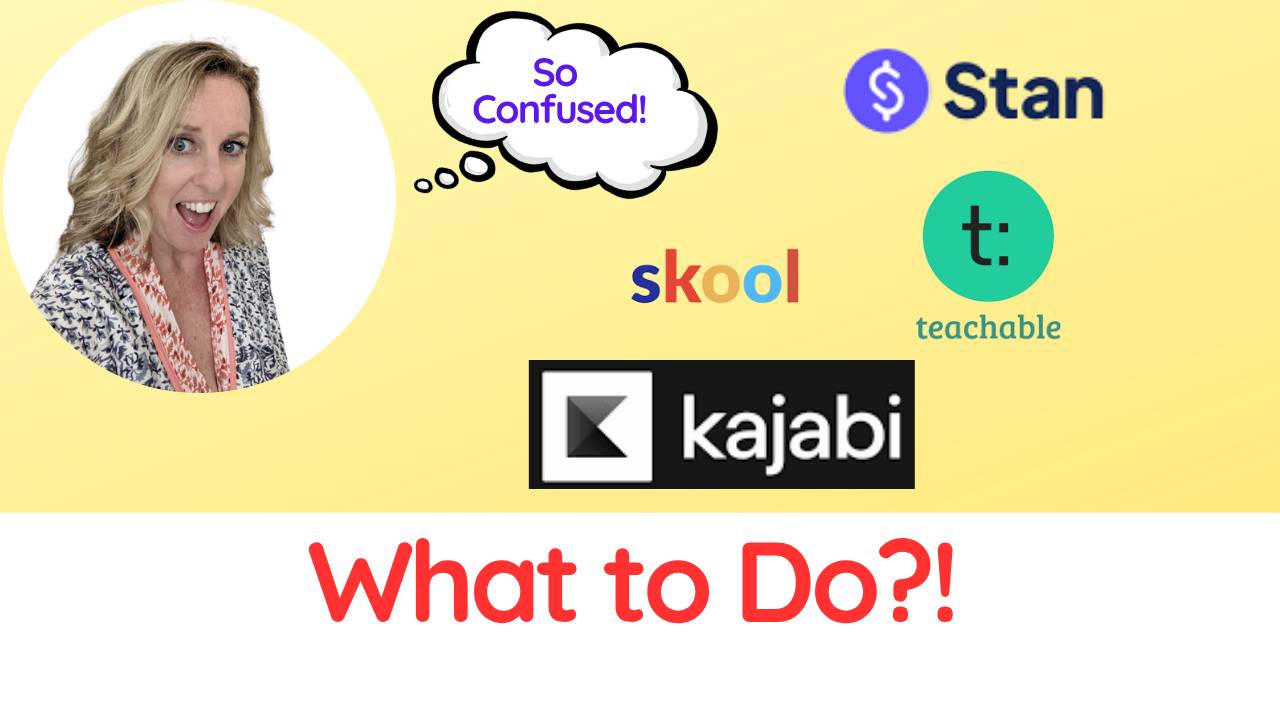
Kajabi, Teachable, Skool, and Stan Store are built for different parts of selling online. Kajabi handles the full process from sales page to checkout to email follow up, while Teachable focuses on course delivery, Skool focuses on community, and Stan Store focuses on quick purchases. The best choice depends on whether you need a complete sales system or a single function.
When you compare Kajabi, Teachable, Skool, and Stan Store, you are deciding how someone moves from seeing your offer to paying for it. That includes where your sales page lives, how checkout works, and what happens after someone leaves without buying. Each platform supports a different part of that process, and the difference shows up in how many extra tools you need to make it all work together.
Most people choosing between these platforms are selling a course with recorded lessons, a coaching program with a defined result, a membership with ongoing access, or a digital product such as a guide or template. The platform you choose determines how that offer is presented, how someone signs up, and how you follow up with them.
Kajabi vs Teachable: Which Is Better for Selling Online Courses
Teachable is better for hosting course content, while Kajabi is better for selling the course from the first visit through checkout. With Teachable, you upload videos, organize them into lessons, and give access once someone buys. That covers delivery, but it does not handle how someone decides to buy in the first place. Before someone purchases, they need a page that explains what the course does, what is included, and why it is worth paying for, and that page needs to connect directly to checkout.
You also need a way to collect email addresses from visitors who are not ready to buy and a set of emails that send after someone joins your list and bring them back to the course page. Teachable does not include those pieces working together, so you are choosing an email platform, connecting it, and deciding how someone moves from one step to the next.
Kajabi includes those steps in one system. The page connects to checkout, the form triggers a sequence tied to that course, and each email links back to the same place where someone can enroll. Instead of building connections between tools, the connections are already in place.
Kajabi vs Skool for memberships
Skool is designed for running a community where members post, comment, and interact. It works well once someone is inside, but it does not handle how someone decides to join. There is no built in page that explains what the membership includes, how often content is added, or what someone receives for the monthly price, and there is no email sequence that starts when someone shows interest and continues until they enroll.
Because of that, the decision process happens somewhere else. You need another platform to explain the membership, collect leads, and follow up with them. Kajabi includes that structure by allowing you to create a page that outlines what is included, connect that page to a monthly or annual checkout, and send emails after someone signs up for more information that guide them back to that page. The page, checkout, and follow up are all built into the same system as the membership itself.
Kajabi vs Stan Store for digital products
Stan Store is designed for quick purchases through a direct link. Someone clicks the link, reads a short description, and completes the purchase, which works when the product is simple and does not need much explanation. The limitation appears when the product requires more detail before someone is ready to buy.
If you need a full page that shows what is included, gives examples, and answers questions, that structure is not built in. If you want to collect email addresses before the purchase and send a sequence that leads to the product, you need another tool. If you want to offer multiple products or bundles, the setup becomes more manual.
Kajabi supports those situations directly by allowing you to build a full page that explains the product, collect emails tied to that product, and send follow up sequences that lead back to it. You can also sell multiple products, bundles, or memberships from the same account without changing platforms.
Using AI to plan a course or offer
AI can help generate lesson outlines, course ideas, and draft sales pages. It can suggest how to structure a program or describe what is included, but it does not turn those pieces into a working system. You still need to place the page inside a platform, connect it to checkout, and set up emails that send based on what someone does.
Most people end up with written content and no system that uses it. Kajabi allows you to take those drafts and build them into pages, emails, and offers that function together instead of sitting in separate tools.
Why people stop before their setup is complete
Most people do not stop because a platform is missing features. They stop because they do not know the order to build things. They start with a course, then realize there is no page to sell it. They build a page, then realize there is no email follow up. They add email, then realize it is not connected to the right offer.
That back and forth slows progress and leads to half finished setups. Kajabi reduces that by tying the offer, page, checkout, and emails together so they are built as one system instead of separate pieces.
Is Kajabi worth it for selling courses, coaching, or memberships
If your goal is to upload content and give access after payment, a single purpose platform can handle that. If your goal is to guide someone from first visit to purchase without using multiple tools, Kajabi is built for that. The difference is not in whether the platform can host your content, but in whether it connects the steps that lead to a sale.
FAQ
What is Kajabi used for
Kajabi is used to sell online courses, coaching programs, memberships, and digital products by combining pages, email follow up, and checkout in one system.
Is Kajabi better than Teachable for selling online courses
Kajabi includes the page, email follow up, and checkout needed to sell a course, while Teachable focuses on delivering the course after someone has already purchased.
Can Skool replace Kajabi
Skool can host a community, but it does not include the pages, email follow up, or checkout needed to sell that community.
Is Stan Store enough for selling digital products
Stan Store works for simple purchases, but products that require explanation, follow up emails, or multiple offers need additional tools.
Do I need email marketing to sell a course
Most people do not buy on their first visit, so email follow up is used to bring them back to the page where they can enroll.